Protect Your Home from Sewer Backups and Basement Flooding
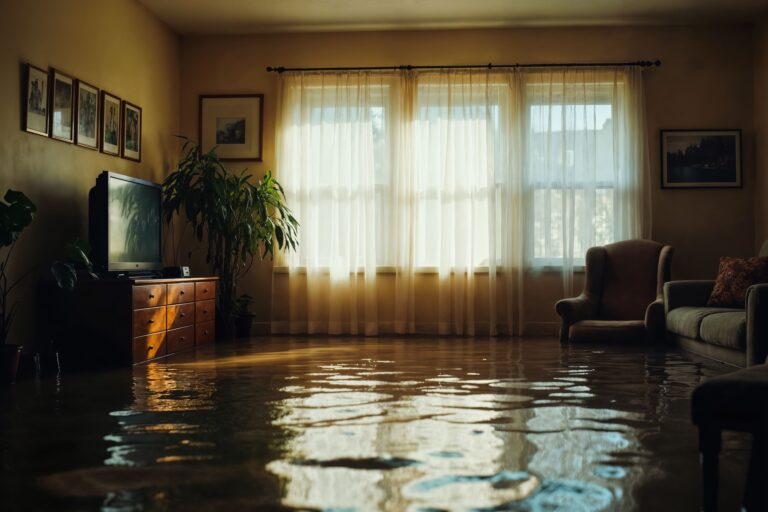
Heavy rainstorms, overloaded municipal sewer systems, and aging underground pipes can all increase the risk of basement flooding in Toronto homes. A professionally installed backwater valve installation Toronto system helps prevent contaminated wastewater from flowing back into your basement during sewer surcharges and extreme weather events.
Installing a backwater valve is one of the most effective ways to reduce the risk of:
- sewage backup inside the basement;
- mold and moisture problems;
- flooring and foundation damage;
- expensive restoration work;
- long-term plumbing issues.
Many homeowners also combine this protection with wet basement repair services to fully secure vulnerable areas of the property.
What Is a Backwater Valve and How Does It Work?

A backwater valve is a protective plumbing device installed on the main sewer line of a property. Its purpose is to allow wastewater to leave your home normally while automatically blocking reverse sewage flow during a sewer backup.
A properly sewer backwater valve installation system helps protect:
- finished basements;
- foundation walls;
- flooring and drywall;
- stored belongings;
- plumbing fixtures.
These systems are commonly recommended for older Toronto properties and homes located in areas with frequent stormwater pressure issues.
Signs You Need a Backwater Valve Installation
Recurring drain backups, gurgling sounds from toilets, slow basement drains, or sewage odours may indicate pressure problems within the sewer line. Homes that have experienced previous flooding are also at a much higher risk of future sewer backups.
In many cases, homeowners choose a residential backwater valve installation after noticing water entering the basement during heavy rainfall or rapid snowmelt. If moisture issues are already affecting the structure, combining the work with foundation repair solutions may help prevent additional long-term damage.
| Common Warning Sign | What It May Indicate |
| Water backing up in basement drains | Sewer line pressure problems |
| Gurgling toilet sounds | Restricted drainage flow |
| Sewage smell in the basement | Possible backflow issues |
| Flooding after heavy rain | Insufficient sewer protection |
| Slow basement drainage | Aging or partially blocked pipes |
Our Basement Waterproofing Services
-

EXTERIOR
Exterior waterproofing is one of most efficient and reliable ways to perform waterproofing of your property.
Read More… -

INTERIOR
Interior waterproofing might be as part of complex solution for the external waterproofing.
Read More… -

SUMP PUMP
There are 2 possible ways to discharge water from weeping tile system. The first solution is a gravity.
Read More… -

WINDOW WELL
One of most common places for water penetration is right below the basement window frame.
Read More… -

FRENCH DRAIN
The French drain is required in order to re-direct water away from your house.
Read More… -

Back Water Valve Installation
There are 2 possible ways to discharge water from weeping tile system. The first solution is a gravity.
Read More… -

Foundation Repair Toronto
A strong home starts with a solid foundation. Our certified team will provide professional and reliable services.
Read More… -

Foundation Waterproofing
Foundation Waterproofing Toronto: Protecting Your Home from Water Damage
Read More… -

Crack Repair
Whether it’s a concrete foundation or a basement slab, visible cracks can be a sign of structural problems that require immediate attention.
Read More…
How Does A Backwater Valve Work?
During normal operation, wastewater flows freely from the home into the municipal sewer system. When sewer pressure reverses due to heavy rainfall or blocked city lines, the valve automatically closes to stop contaminated water from flowing back into the property.
Depending on the layout of the plumbing system, some homes may require an exterior backwater valve configuration, while others benefit from a protected indoor installation. The correct solution depends on pipe access, drainage design, and property conditions.
Our Backwater Valve Installation Process in Toronto, Ontarion

Every backwater valve install begins with an inspection of the main sewer line to determine the best installation location and identify potential drainage concerns.
Our installation process typically includes:
- sewer line inspection;
- locating the optimal valve position;
- pipe access and preparation;
- valve installation and sealing;
- system testing and cleanup.
For some properties, especially those with specific grading or sewer layouts, a backwater valve installation outside the home may provide better long-term access and maintenance convenience.